


B2B (Business-to-Business) marketplaces have revolutionized the way restaurants and suppliers interact, offering a streamlined approach to procurement and distribution. In today’s competitive environment, B2B marketplaces play a crucial role in optimizing restaurant supply chains by connecting buyers and suppliers efficiently. These B2B marketplace platforms have become an integral part of the restaurant industry, simplifying the purchasing process and improving operational efficiency.
This article explores the various B2B marketplace types catering to restaurants, highlighting their advantages and emerging trends that are shaping the industry.
By bringing buyers and sellers together in a digital space, B2B marketplaces allow restaurants to access a wider network of suppliers, secure competitive pricing, and benefit from faster procurement cycles.
Table of Contents
Supplier-Centric B2B Marketplaces for Restaurants
Supplier-centric B2B marketplaces are platforms where suppliers retain control over pricing, product availability, and distribution.
These marketplaces are particularly beneficial for bulk ingredient suppliers, restaurant equipment manufacturers, and wholesale distributors.
In B2B marketplaces, suppliers are the primary decision-makers, determining prices and managing stock availability.
While this offers control to the suppliers, restaurants may face challenges such as limited room for price negotiation and potential stock availability issues, leading to delays or order cancellations.
Buyer-Centric B2B Marketplaces: The Restaurant’s Advantage
On the other hand, buyer-centric B2B marketplaces allow restaurants to aggregate demand and negotiate better prices, making them ideal for large food service operations such as chain restaurants.
These platforms provide restaurants with access to a broader selection of products, improving cost efficiency and choice.
For suppliers, however, the downside can be limited control over pricing and fulfillment, as the platform primarily favors restaurant demand.

Intermediary-Oriented B2B Marketplaces for Restaurants
Intermediary-oriented B2B marketplaces act as neutral platforms where buyers and suppliers interact without either side exercising direct control.
These marketplaces are ideal for independent restaurants or niche suppliers seeking specialized products not commonly available on larger platforms.
A challenge for restaurants in these marketplaces is trust and quality assurance, as there may be difficulty in verifying the credibility of suppliers.
Read more: B2B Marketing in Malaysia
Vertical vs. Horizontal Marketplaces in the Restaurant Sector
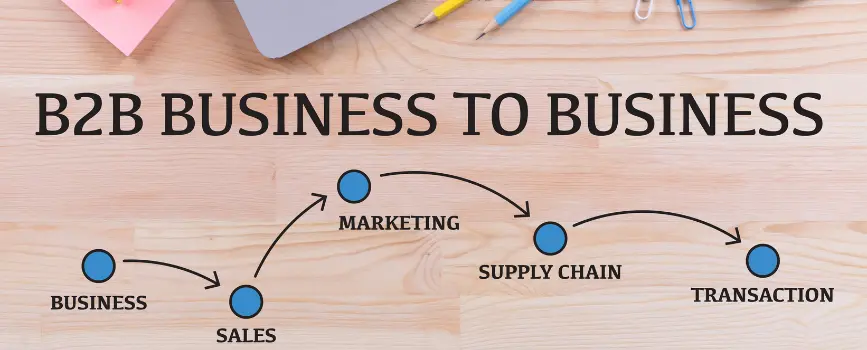
Understanding the distinction between vertical B2B marketplaces and horizontal B2B marketplaces is essential for restaurant owners to optimize their supply chains.
- Vertical B2B marketplaces are focused specifically on the restaurant and food supply industries. These platforms provide specialized suppliers for food categories like fresh produce or seafood.
Benefits: Tailored solutions for restaurants, providing focused supplier networks.
Challenges: Limited variety outside the restaurant sector.
- Horizontal B2B marketplaces offer a broader range of products, extending beyond the restaurant industry.
These platforms include wholesale items for both food and non-food categories, offering restaurants the flexibility to buy everything from kitchen equipment to office supplies.
Benefits: Diverse product selection, which can lead to potential cost savings.
Challenges: Lack of specialization and inconsistent quality control.
Emerging B2B Marketplace Trends in the Restaurant Industry ementation
As B2B platforms evolve, several emerging trends are reshaping the restaurant industry’s marketplace landscape:
- AI-driven procurement is optimizing supplier matching, helping restaurants find the best fit for their needs with minimal manual effort.
- Blockchain for traceability enhances transparency in sourcing, allowing restaurants to verify ingredient quality and authenticity.
- Sustainability-focused B2B marketplaces are aligning with eco-conscious goals, connecting restaurants to suppliers that emphasize sustainable practices.
- Mobile-first B2B solutions are increasingly becoming a standard, enabling restaurant owners to manage orders and suppliers on-the-go.

Conclusion
B2B marketplaces are transforming the way restaurants and suppliers interact, offering enhanced efficiency, better pricing, and a broader network of suppliers. Understanding the various types of B2B marketplaces—from supplier-centric to buyer-centric platforms—enables restaurants to make informed decisions about their procurement strategies. With MySupplyz offering a tailored solution, restaurant owners and suppliers can optimize their operations, reduce costs, and stay ahead of industry trends.

How MySupplyz Optimizes the B2B Marketplace for Restaurants ion
MySupplyz stands out by offering a hybrid approach to B2B marketplace solutions for restaurants. Combining the best aspects of vertical and horizontal B2B marketplaces, it caters specifically to the restaurant industry while also offering flexibility for broader product categories.
Key features include:
- Effortless Supplier Discovery: Connect with verified vendors that meet restaurant-specific needs.
- Streamlined Order Management: Simplify procurement with automated systems to reduce order placement complexity.
- Competitive Pricing & Bulk Deals: Secure the best prices for essential restaurant products.
- Real-Time Tracking & Inventory Insights: Reduce the risk of stockouts and food waste with live updates on inventory.
- Sustainability-Driven Sourcing: Access eco-conscious suppliers focused on sustainability and ethical sourcing.